

Selling a condemned house in Maine comes with its own set of problems, but if you know how to handle them, you can convert them into chances. This post gives you useful tips on how to get the most money for your house when you sell it. You’ll learn how to handle and get around the problems that come with selling a condemned property, from knowing the rules in your area to coming up with new marketing ideas. This complete guide will provide you with all the tools and information you need to effectively seal the deal in Maine, whether you’re a seasoned investor or a first-time seller.
At first glance, selling a condemned house can seem like a lot of work. A lot of people get these homes as gifts, rediscover them after a long time of not caring for them, or suddenly have to take care of a property that has major safety issues. In Maine, where older homes, rural locations, and harsh winters speed up the wear and tear on buildings, the process needs careful planning and a realistic picture of what can and can’t be saved. Even with these problems, condemned houses can still get purchasers, especially investors who know how hard it can be to fix up a house and how to make money from it. The most important thing is to know the rules, know what you have to do, and show your property to the right people. Even a condemned house can be a good investment instead of a money drain if you get it ready the right way.
What Does It Mean to Have a Condemned House?
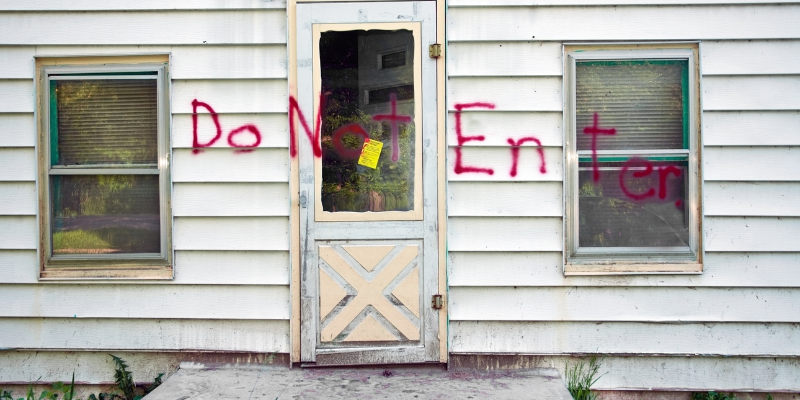
You need to know what condemnation really means in Maine before you can make smart choices about selling a condemned house. A lot of people think it just implies the house is in horrible repair, but the classification has legal meaning and is based on safety concerns that local officials have identified. A condemnation notice is not something that is given carelessly; it means that the house cannot be securely lived in without extensive repairs. Homeowners can move forward with confidence instead of bewilderment if they know why they got that label.
Condemnation usually starts with an examination, which might be prompted by a complaint or by evident structural issues or unsafe circumstances. After the notice is sent, the homeowner has a clear list of things that need to be done in order to make the residence livable again. It’s important to understand this procedure since the condemnation status will directly affect your strategy, how easy it is to sell the house, and your legal obligations, whether you want to fix it up or sell it “as is.”
What does it mean for the law and safety when a house is condemned?
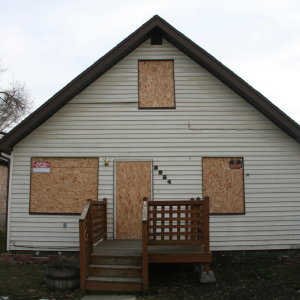
When a house is called “condemned,” it has more flaws than just aesthetic ones or systems that are out of date. The legal consequences alone can have a big effect on your timetable, budget, and choices. In Maine, people can’t live in a property that has been condemned until the safety problems that local officials have found are fixed. This implies that homeowners have to choose between doing the repairs themselves or selling the house as-is.
The homeowner is legally required to fix the dangerous problems that were pointed out in the notice of condemnation. This could mean getting permits, setting up inspections, and employing professional contractors to fix things like the structure, the plumbing, the electrical system, or the environment. Homeowners may also need to pay back taxes, liens, or city fines before they can sell their home to someone else. It is highly suggested that you hire a real estate lawyer to help you understand the notice, talk to municipal officials, and make sure your sale follows Maine’s housing laws.
The effects on safety can be just as bad. Homes that have been condemned sometimes have unsafe problems, including unstable floors, roofs that are falling apart, porches that are falling, black mold, or antiquated electrical wiring. A lot of older homes in Maine also have dangerous things like lead-based paint or asbestos insulation. These conditions are dangerous not just for the people who live there, but also for contractors, inspectors, and others who might want to buy the house. Because of this, sellers need to be honest about any known dangers when they sell the property. Being honest not only keeps you safe from legal trouble, but it also creates confidence with serious buyers who know what condemned properties are like.
Taking care of legal and safety issues early on gives you more information to work with when making decisions, whether that means fixing up the property, selling it to investors, or going for a quick cash sale that puts the duty on the buyer. The deal will go more smoothly the more ready you are.
Why houses are often condemned
There are many reasons why houses are condemned, and the reasons frequently tell a bigger tale about the property’s past. In a lot of cases, condemnation happens because of long-term neglect by landlords who aren’t there, owners who are too busy, or people who don’t have the money to keep up with the essential repairs. In a state like Maine, where storms, temperature changes, and heavy snowfall are typical, older buildings can come apart quickly if regular maintenance is put off.
One of the main causes for condemnation is structural instability. A home can swiftly go from “fixer-upper” to “uninhabitable” if the roof sags, the walls lean, the foundation cracks, or the floor joists rot. Water getting in is another big problem that causes mold, mildew, and rot, which make the building weaker from the inside out. Some homes are condemned because of fire damage that weakens the framing or causes a lot of smoke to get into the air.
Sometimes the problem is with the environment instead of the structure. Lead paint, asbestos insulation, or polluted soil in older homes can be quite deadly. Sometimes, a property may be condemned for health grounds, as when someone hoards too much stuff, which might attract bugs or make the place dangerous.
Knowing what caused the condemnation will help you decide what repairs to do first and how to market your property. People who buy distressed properties frequently opt for certain types of projects and may not care as much about visual problems as they do about structural problems. The more clearly you can describe the state of the house, the easier it will be to show it to the correct kind of buyer.
Can You Sell a House That Is Condemned in Maine?
Yes, you can sell a condemned house in Maine and many homeowners manage to do it successfully. While the process differs from a standard home sale, you can still sell your house fast in Maine if you have the proper documentation, maintain transparency, and price the property appropriately. Even condemned homes attract buyers nationwide, from local real estate investors to out-of-state developers. The key is understanding Maine’s legal requirements and knowing how to market a property that isn’t currently livable.
The legal steps to selling a condemned house
If you want to sell a condemned house, you have to follow certain laws that are meant to keep people safe and make things clear. Maine law says that sellers must tell potential buyers if the property is condemned. This implies that being honest is not just the right thing to do, but it is also the law. It’s a good idea to get copies of all the paperwork relating to the condemnation, such as inspection reports, repair orders, and any correspondence from local code enforcement, before putting the house up for sale.
Some purchasers, especially investors, are okay with buying homes that have legal and structural problems, but they will want to see all the paperwork. Keeping your records in order will help you avoid delays and give serious buyers more trust.
Permits are another crucial legal issue to think about. You might need to get variances or make sure that all outstanding permits are properly closed before you can transfer ownership if the local government has ordered specific renovations. A real estate lawyer or a real estate agent who knows a lot about the field can help you with this procedure and make sure that the buyer only has to pay for what the law allows.
Sometimes, the best way to go is to sell for cash. Cash buyers don’t need a bank to check out or appraise the home, thus it doesn’t have to pass those tests. This can be a big help when selling a property that has been condemned, since lenders usually won’t give money to buy homes that are uninhabitable.
Things to think about on the market and with potential buyers

There aren’t as many people looking to buy condemned homes as there are looking to buy regular homes, but Maine has a lot of investors, flippers, contractors, and developers who are always looking for distressed homes. These buyers usually have the money and know-how to fix up or create new homes from the bottom up.
To market a condemned home well, you should focus on its potential instead of its current state. This involves pointing out:
- Value of land, especially in good areas
- Zoning options, such as turning a single-family home into several units
- Close to schools, stores, or areas that are being redeveloped
- Future rental income, assuming the house can be fixed up
- Areas with growing populations that could be good places to invest
If purchasers are focused on renovation projects, they need to be able to talk to each other clearly. Giving information regarding the state of the house, any repairs you’ve made, and any outstanding municipal needs will help you create trust. Serious investors want to know everything about a property and will often walk away from sellers who seem to be hiding something or don’t know what problems their property has.
How to Get Your Condemned House Ready to Sell
You don’t need to completely fix up the house before putting it on the market, and we buy houses in New Hampshire exactly as they are — but making a few simple improvements can boost its appeal and potentially your offer. The idea isn’t to create a perfect, move-in-ready property; it’s simply to remove any obvious drawbacks that could discourage solid buyers.
How to Fix Big Structural Problems
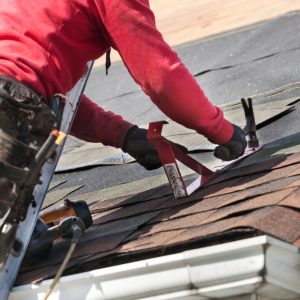
Fixing structural problems doesn’t usually entail fixing every problem on the condemnation list. Instead, it can mean fixing the most dangerous problems so that the property is safer to look at and appraise. Some sellers fix big problems, like fixing a roof or reinforcing stairs that are broken, but they leave the buyer to do the bigger jobs, like rebuilding the foundation.
If you don’t want to do extensive repairs, it might still be quite helpful to have a qualified contractor or structural engineer look at the property. Their assessment gives purchasers a better idea of what they will need, which lowers ambiguity and makes it easier to price and sell your home. It can also benefit you legally to write down this inspection, as it proves that you were honest about the property’s condition.
Affordable Ways to Fix Problems That Have Been Condemned
Not every condemned house needs a lot of money to fix it. You can make a lot of changes on a budget, especially if you only want the property to look better and not be entirely livable. Cleaning up trash, cutting back overgrown plants, boarding up broken windows, and fixing safety risks generally provide a better first impression and let purchasers securely wander through the house.
Some towns and communities in Maine have local incentives or programs that help residents fix up older homes so they meet code. These programs may pay for some of the repairs that need to be made to heating systems, insulation, electrical systems, or the building itself. Using these programs can save you a lot of money and make your property more appealing.
Another cheap choice is to use materials that have been reclaimed or repurposed. You can buy things like extra wood, secondhand windows, or salvaged fixtures that are still strong and last a long time. A lot of contractors and DIYers in Maine use these items to make their budgets go farther, and they can help you do important repairs without going over budget.
Looking at Other Options: Selling a Property That Has Been Condemned for Cash
For a lot of homeowners, the easiest and most practical thing to do is sell their condemned house for cash. People who buy properties with cash usually know about the hazards involved and don’t need traditional inspections or bank loans. This can make the process go much faster and get rid of a lot of the problems that come up with normal real estate deals.
Advantages of Selling Condemned Property Quickly
There are several benefits to selling for cash quickly. First, it lets you avoid the continuous costs of owning a condemned home, such as property taxes, security issues, city fines, and the chance that the home will get worse. These costs can add up quickly, especially if the house is empty all winter.
Second, cash sales make it less likely that the purchase will fall through. Problems with finance, appraisals, or inspections can often cause traditional transactions to be delayed or canceled. Cash buyers don’t have to deal with these problems, so the sale can close in just a few days instead of months.
Third, selling quickly helps you avoid the stress of dealing with a property that has been condemned. When homeowners have to deal with major damage to their homes, they may feel stressed, ashamed, or overwhelmed. If you let go of the property fast, you may stop worrying about your current duties and focus on your future ambitions.
In the end, a cash sale offers true peace of mind. Once you agree on a price and sign the paperwork, the buyer takes on all repairs, permits, and compliance issues. It’s a clean, straightforward solution for homeowners who don’t have the time, budget, or desire to deal with these challenges. Brendan Buys Houses buys houses for cash in any condition—call us today.
FAQs
When a house is “condemned” in Maine, what does that mean?
Local officials have decided that a house is unsafe to reside in because of structural problems, environmental risks, or major code breaches. It can’t be lived in until the necessary repairs are made.
What are some common reasons why a house is condemned?
Some of the most typical reasons a Maine home is condemned are structural problems, long-term neglect, water damage, fires, mold, hazardous chemicals, and severe weather.
How may a person in Maine sell a residence that has been condemned?
You can sell a condemned property by telling others about its state, following the law, looking over municipal orders, and promoting the home to investors or cash purchasers who are interested in buying properties that are in bad shape.
When fixing up a condemned property on a budget, what resources can homeowners use?
Some options are local housing grants, community aid programs, reused building materials, do-it-yourself cleanup activities, and putting safety repairs ahead of cosmetic upgrades.
What are the benefits of selling a condemned house for cash?
Cash transactions settle quickly, don’t require bank financing, lower the risk of a bad deal, and liberate homeowners from ongoing fees and the stress of managing a troubled property.
Helpful Maine Blog Articles
- Selling an Inherited House in Maine
- How to Do a Sale by Owner in Maine
- How Long After an Appraisal Can You Close in Maine
- Selling House By Owner Paperwork in Maine
- Sell House with Water Damage in Maine
- Selling an Investment Property in Maine
- Can Executor of Will Sell Property in Maine?
- Who Pays the HOA Fees at Closing in Maine
- Selling a House with Unpermitted Work in Maine
- How To Sell A Condemned House in Maine
- Key Documents You Need To Know To Sell Your House in Maine
- Sell Home to Pay Off Debt in Maine
- Selling Parents House After Death in Maine
- Should I Replace My Roof Before I Sell My House in Maine
- Tax Implications of Selling Home in Maine