

Are you thinking about selling your New Hampshire home but are having trouble because of code violations? A lot of homeowners have the same problems, and they often find problems they didn’t even know about until they were getting ready to sell. Code errors can make things harder, but they don’t have to stop your transaction completely. You can still sell your property successfully if you have the correct plan, know the rules, and do some planning. This book shows you how to deal with violations in a realistic way, how they affect value, and what your alternatives are if you choose to correct the problems or sell the house as-is. If you know how to deal with New Hampshire’s rules, you may transform what seems like a setback into something you can handle, or even something that helps you.
Key Highlights
- Code infractions can lower the value of your home and make it less appealing to buyers, so it’s important to be open and honest about pricing.
- Most of the time, the difficulties have to do with electrical safety, structural flaws, plumbing issues, or zoning mistakes.
- Sellers are legally required to tell buyers about any known infractions. This builds confidence and keeps them out of legal trouble later on.
- Some purchasers, especially investors, may find it appealing to buy a home as-is, even if the eventual price is lower.
- Working with investors can speed up the sale, cut down on the need for repairs, and make discussions easier.
Understanding Code Violations in New Hampshire
Most people who own homes don’t think about building codes very often, except when something goes wrong or they’re getting ready to sell. But in New Hampshire, following the code is a big part of figuring out if a house is safe and ready to sell. Problems with the code might be as simple as forgetting to do anything or as serious as a dangerous situation that makes a home less livable and valuable. Knowing the most prevalent violations and how they can affect a transaction can help you go forward. Knowledge is the first step to solving the problem, even if the list looks big or scary.
What are some common code violations?
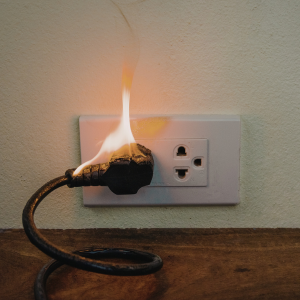
In New Hampshire, some kinds of code breaches keep happening. Electrical problems are some of the most common since older homes typically have faulty wiring, too many circuits, or electrical work done by the owner without permission. These flaws can cause fires and almost always need to be fixed by a specialist. Another big group of infractions is structural ones, which include things like roofs that sag, foundations that are weak, and extensions that weren’t allowed. These problems can make the home less safe overall, and fixing them usually costs the most.
It is also typical to break plumbing rules. Mold can grow, water can destroy things, and health problems can happen if there are leaks, broken pipes, fixtures that don’t meet code, or waste lines that aren’t set up correctly. A lot of these problems are caused by antiquated plumbing systems or do-it-yourself renovations. Zoning violations happen when the way a property is used, added to, or laid out doesn’t follow local rules. Some examples are changing a single-family home into an unapproved multi-unit property or building things without getting the right permits.
In New Hampshire, code enforcement can be stringent, especially in communities that do frequent inspections or look into complaints from neighbors. It’s not uncommon for sellers to find many problems at once because violations build up over time, especially in older houses. The good news is that finding these problems early on offers you greater power over how you sell your home. Knowing what you’re dealing with will save you time and frustration in the long run, whether you plan to fix the problems or sell the house as-is.
How Violations of the Code Affect Home Prices
Even if a home looks well-kept on the outside, code violations can lower its market value. People who want to buy a home are sometimes skeptical of properties that need repairs right away, especially if the problems are with the structure or the wiring. A lot of purchasers, especially those who need traditional financing, want residences that are ready to move into and won’t cost them any more money. When a house has code violations that haven’t been fixed, purchasers often exploit those problems to negotiate, asking for big price cuts or credits for repairs.
Violations might also make it take longer to sell. Homes that have unpaid fines or serious compliance problems generally take longer to get through the inspection and negotiation processes. Some buyers may decide not to buy after reading the inspection reports, especially if the repairs look like they will be expensive or take a long time. This lower demand naturally lowers the value of the home.
That being said, fixing even a few major problems before putting your property up for sale can make a big difference. If faults aren’t fixed, purchasers will typically ask for a price cut that is much bigger than the cost of little repairs. Even if you decide to sell the house as-is, writing down what you know, what you’ve fixed, and what still needs to be done might make buyers feel more sure about making an offer. If you take the initiative, you will have more negotiation power and a better chance of making a sale.
Because code breaches can have a lot of different effects on house values, here are some things homeowners can do to be proactive:
- Find safety problems that need to be fixed right away.
- To find out how bad the infractions really are, have an expert look at them.
- Get bids so you know how much the repairs will cost, even if you don’t plan to fix everything.
- Keep records of repairs and inspections so you may show them to others.
- To be competitive, set the price of the home with violations in mind.
- Try different ways to sell, including selling directly to an investor.
- Show off enhancements or renovations that make up for the repairs the house requires.
Can You Sell a House That Doesn’t Follow Code?
Many homeowners assume that code violations make a property impossible to sell, but that’s simply not the case. You still have options—often more than you expect. If you want to sell your house fast in New Hampshire, even with code issues, all it takes is some preparation and transparency. By understanding the regulations and the various selling strategies available, you can confidently choose the solution that works best for you, no matter how minor or major the violations may be.
What the law says about disclosure
Under New Hampshire law, sellers must tell potential buyers about any code infractions they know of. This is good for all sides: customers know exactly what they are buying, and sellers don’t have to worry about getting into trouble with the law later. If you don’t tell the buyer about problems, you could be sued or fined, especially if they find out about severe infractions after closing.
It may seem like a hassle to report violations, but it can actually help you. Being honest with buyers fosters trust, and they like that. Even if the house needs work, a lot of buyers would rather know what’s going on than not know. A concise and complete disclosure statement that lists all of the difficulties that are already there will help the process go more smoothly and cut down on arguments later.
If you’re not sure what all the problems are with your home, hiring a qualified inspector can help you figure it out. Their report will help you be honest and not leave out any important information by mistake. Buyers can also feel better about the information you’re giving them if you have documents like repair estimates or previous inspection reports. In the end, disclosure is not only required by law, but it is also a good way to keep the sale going.
Choices for Selling as Is

One of the most typical ways for homeowners to deal with code problems is to sell their home as-is. Selling a home as-is means that you won’t fix any flaws before the sale. This alternative is a good idea when repairs are too costly, time-consuming, or difficult. This is the path that many sellers take when the infractions include major structural work, old systems, or big upgrades that would need permits and inspections.
People who want to invest, do renovations, or buy a home as-is usually like them. These buyers usually know what needs to be done and are willing to do the repairs in exchange for a lower price. Selling as-is can also speed up the process a lot, so you don’t have to deal with continuous fines, extended negotiations, or delays caused by scheduling repairs.
Being honest in the ad description helps people know what to anticipate. Pointing out the home’s qualities, like its location, layout, or lot size, might help ease worries about repairs that need to be made. Selling a property as-is usually means getting a lesser offer than selling a home that has been fully fixed. However, it also takes away a lot of the financial hazards and worries that come with trying to finish repairs before listing.
How to Sell a House with Code Violations Successfully
If you want to preserve as much value as possible when selling a house with code issues, careful planning is essential. Taking time to fully understand the violations and setting an accurate, realistic price can significantly improve your results. Even properties with extensive code problems can attract serious buyers when marketed effectively — and if you’re looking for a fast, hassle-free option, we buy houses in Maine regardless of their condition.
Looking at the Code Violations and How Bad They Are
Before you make any choices, you need to know exactly what is wrong with the property. Some breaches, such as not having smoke detectors or having old fixtures, are easy and cheap to remedy. Some problems, such as bad wiring or problems with the foundation, need to be fixed by a licensed specialist and may cost more. You can figure out what has to be fixed and what the buyer should do by putting infractions into groups based on how bad they are.
Get a comprehensive inspection from a competent specialist first. Their report will list not only the violations that have already happened, but also the problems that could happen in the future. This helps you figure out which problems are the most important, especially those that have to do with safety. In New Hampshire, electrical and structural concerns usually have the most effect on value, and purchasers will nearly always want to know if these have been fixed.
You can decide whether to fix the problems or sell the house as-is once you know how bad they are. Knowing the full extent of the problems with the home will help you set a fair price and negotiate better, even if you don’t want to fix them.
How to Set the Right Price for Your Home
It’s hard to set a price for a home that has known problems. If you set the price too high, they won’t even bother to look. If you go too low, you can lose money. The most important thing is to set a fair price depending on the condition of the home and the local market.
To begin, look at homes that have sold lately in the neighborhood and are similar to yours. When you do this, try to include properties that need similar repairs. Remember that purchasers typically include the cost of repairs in their offers, so it’s usually a good idea to lower the price ahead of time to reflect that. Homes with big problems usually need bigger price changes, but homes with small problems might sometimes stay closer to their market value.
Even if they don’t have anything to do with the infractions, pointing out improvements or repairs you’ve already made can aid your case. A lot of purchasers are eager to do repairs if they think the property has long-term potential and are sure about how well it is overall.
Things to think about while selling
Alternative marketing strategies may work better when code infractions make a traditional sale harder. Looking into numerous options makes sure you pick the one that works best for your budget, schedule, and level of engagement.
The Benefits of Selling to Home Investors

One of the easiest methods to get rid of a property with code issues is to sell it to investors. Real estate investors, especially those who pay cash for homes, are used to buying homes that have difficulties that regular buyers would not want to deal with. They usually undertake rapid inspections, make simple offers, and close swiftly because they don’t need mortgages.
One of the best things about it is that you may sell the house as is. You don’t have to worry about making repairs, hiring contractors, or whether the house will pass inspection. Investors who fix up distressed properties frequently do so as a specialty, so they know exactly how much it will cost. This cuts down on a lot of the back-and-forth that might slow down regular sales.
There are also benefits for your wallet. Sellers frequently don’t have to pay realtor fees, repair charges, or carrying costs like property taxes or fines that happen all the time. The offer may be smaller than what a retail buyer would pay, but the savings and timeliness can make up for it. For many homeowners who have broken several codes, investors provide a simple, low-stress way to sell their home.
Selling a house in New Hampshire with code violations may feel intimidating, but it’s far from impossible. By being transparent about the issues, pricing the property wisely, and understanding all your selling options, you can navigate the process with confidence. Whether you choose to make repairs, sell the home as-is, or work with an investor, honesty and preparation are key. With the right strategy, you can secure a successful sale and move forward to the next chapter of your life. And remember, Brendan Buys Houses buys houses for cash in any situation, so reach out today.
FAQs
What are some typical code infractions in homes in New Hampshire?
Most violations have to do with plumbing problems, electrical risks, structural problems, or disputes with zoning laws. These can make a home less safe, less valuable, and harder to sell.
What happens to the sale of a house in New Hampshire if it doesn’t follow the rules?
When there are violations, buyers are usually less interested and make lesser offers because they have to pay for repairs. They can also make the process of selling take longer.
Why is it important to tell potential buyers about code infractions when selling a house?
The law in New Hampshire says you have to tell. Being open about things keeps you out of trouble with the law and makes buyers feel good about the deal.
Is it okay to sell a house that has code infractions as-is?
Yes. Selling as-is is typical and often attracts purchasers or investors who want to make improvements. It may lessen the sale price, but it makes things easier.
Why may it be good for properties that have broken the code to sell to investors?
Investors will acquire homes in any condition, close swiftly, and fix them up themselves. This method keeps negotiations short and lowers your costs.
Helpful New Hampshire Blog Articles
- Selling Your New Hampshire Home Needing Repairs
- Navigating The Sale Of Your Home During A Divorce In New Hampshire
- Selling a House in Probate in New Hampshire Real Estate
- Guide To Selling Your New Hampshire Home Without A Realtor
- Can You Sell a House with Tenants in New Hampshire?
- How Much Does It Cost to Sell a House in New Hampshire?
- How to Sell a House in Foreclosure in New Hampshire
- Selling an Inherited House with Sibling in New Hampshire
- How to Do a Quitclaim Deed on a House in New Hampshire
- Does a Seller Pay Closing Costs in New Hampshire
- Can You Sell A House with A Lien in New Hampshire
- Taxes When Selling An Inherited House in New Hampshire
- Can You Sell A House As Is Without Inspection in New Hampshire
- How To Sell A Hoarder House in New Hampshire
- How To Sell A House With A Code Violation in New Hampshire
- How to Sell a Fire-Damaged House in New Hampshire