

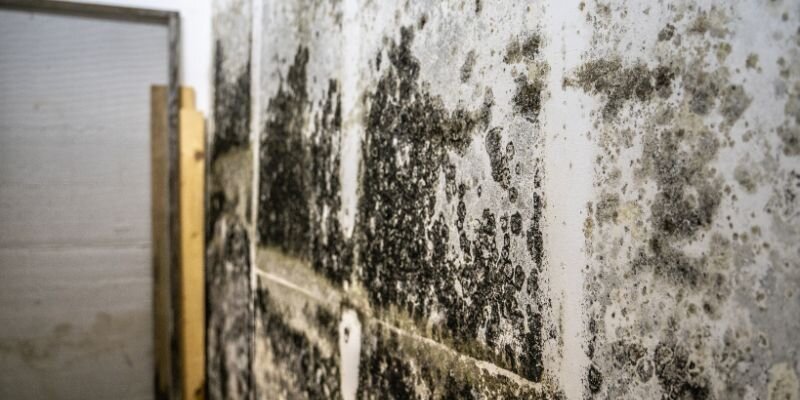
Selling a house with mold in Maine may feel overwhelming, but it’s still possible. With trusted guidance from Brendan Buys Houses, you can understand your options, meet legal requirements, and move forward with confidence.
Understanding Mold Issues in Your Home in Maine
If you have mold problems in your home, it can be hard to deal with, especially if you’re getting ready to sell it. Humidity, bad air flow, and water damage are just a few of the things that can cause mold problems. Homeowners who want to sell their homes quickly need to be aware of these mold problems. Homeowners can take actions to fix these problems before they happen by learning about the most prevalent causes and finding the best places to look for mold. This guide is meant to help you deal with the problems mold might cause in your home so that you can sell it quickly and keep it ready for sale.
Common Mold Problems and Their Causes
Mold, caused by environmental or structural difficulties, is a nuisance in any home. Mold concerns are important for homeowners, especially those selling their homes. Mold grows in wet, humid places like restrooms, basements, and attics. Poor ventilation in these spaces can allow mold to grow and harm residents. Mold can indicate structural issues like leaks or poor drainage around the property.
Mold is often caused by water damage. The property may have high humidity, a leaking roof, or a burst pipe. When water enters a home, mold thrives. To enhance property conditions and attract buyers, homeowners must treat water-related mold issues immediately. Maintenance and repairs can reduce mold issues and preserve the house.
Poor airflow and insulation can cause mold in addition to water damage. Houses with poor airflow accumulate moisture, increasing mold growth. Installing fans, dehumidifiers, and insulation helps homeowners prevent mold. Your home’s air quality and market value improve when you fix these concerns. When selling your home, this proactive mold management can make a big impact. It’s crucial to put mold issues in perspective throughout the sale.
Identifying Key Areas for Mold Inspection in Maine
Getting a mold inspection is crucial before selling a home. Identification of mold-prone locations helps homeowners prioritize repairs and maintenance. Mold is commonly found in humid, poorly ventilated locations, including bathrooms, basements, kitchens, and attics. Every prospective mold-prone area should be carefully inspected during a mold inspection by homeowners.
Because of the high humidity, bathrooms are easy places for mold to grow. Mold can grow without being seen behind sinks, tubs, and toilets. Check the exhaust fans and look at other ways to stop mold from growing. Mold can grow in kitchens if there are leaks or spills under sinks or behind equipment. You can stop little mold problems from getting worse by checking these areas often.
Basements and attics need mold inspection, too. Damp, poorly aired basements can grow mold on walls and stored goods. Poorly insulated attics can develop mold from roof leaks or poor airflow. These locations, including leaks and water damage, can be inspected for early mold detection. Detailing mold checks in these key locations can boost the property’s value by showing purchasers a well-maintained home with no hidden issues. Regular inspections will correct mold issues and prevent new ones, keeping your home in top shape for sale.
If you’re looking to sell, you can get a fair cash offer and sell your home for cash in Maine with ease.
The Importance of Home Inspection Before Selling in Maine

In Maine, you need to get your house inspected before you sell it. This method helps you find mold issues so that your home is in the best shape possible for potential buyers. Some places where mold is likely to grow are checked out in detail during a full mold inspection. Any mold problems found are fixed. If people find mold problems early, they can fix them and raise the value of their home. If people know how important a home inspection is, they may get their house ready to sell faster. This is what will make the real estate deal go easily and successfully.
How a Home Inspection Can Uncover Hidden Mold in Maine
Home inspections might reveal mold hazards that sellers may not notice. Mold can hide in walls, floorboards, and rarely used basement and attic nooks. These areas are prioritized in a full house inspection using modern mold detection methods. Homes can be prepared for sale by fixing mold issues during this inspection and preventing them from worsening.
Mold growth is often preceded by water damage and inadequate ventilation, which house inspectors can spot. Mold inspections are essential for Maine houses, where humidity can promote mold growth. Infrared cameras and moisture meters help inspectors find mold. These mold-prone areas can help sellers approach the sale with confidence, knowing they’ve addressed potential buyer deterrents.
Fixing mold problems during the house inspection protects people who will live there in the future and raises the value of the property. Reports that show no mold provide buyers peace of mind that the home has been carefully cared for. In Maine’s competitive real estate market, this openness can help sell. A full home inspection, which includes checking for mold, can help your property sell faster and make it look like a healthy and appealing place to live.
What to Do If Mold is Found During a Home Inspection in Maine
Finding mold during a home inspection might be scary, but it’s important to address it to sell. After mold is found, determine its extent and cause. Mold treatment professionals can remove mold and prevent future growth. These experts will investigate if mold is caused by leaks, poor ventilation, or Maine’s typical wetness.
After finding the cause, mold remediation must be strategic. Removing damaged materials, treating regions with antimicrobials, and preventing recurrence are standard steps. An after-remediation inspection should certify the effectiveness of the work. This diligence reassures buyers about the property’s health, promoting confidence and openness.
Besides remediation, consider improvements to prevent future difficulties. Repairing leaks, improving ventilation, and installing dehumidifiers can help prevent mold. Documenting cleanup and improvements can help potential buyers. These proactive measures boost property value and marketability. Sellers in Maine’s real estate market can confidently sell a healthy, problem-free house by treating mold issues found during the inspection.
At Brendan Buys Houses, we buy houses in Auburn and the surrounding areas, helping sellers move forward quickly and confidently.
Steps to Effective Mold Remediation in Maine
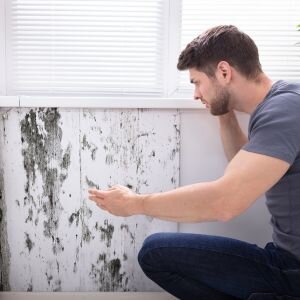
Taking care of mold removal in your home can make it much more appealing to buyers, especially in places like Maine, where humidity can make mold problems worse. It is very important to pick the right company to get rid of the mold and properly prepare your home for sale. If you follow these steps, your home will stay free of mold problems, protecting its structure and health. By using effective mold removal methods, homeowners can turn a house that already has mold into an attractive property for buyers who want to live in a clean, mold-free space.
Choosing the Right Mold Remediation Company in Maine
If you find mold in your home, you should hire the best mold removal company to make sure the job is done right. Check out the skills of companies to find ones that are licensed and have experience with mold problems, especially in homes and businesses in Maine. Look for companies that get rid of mold that have a history, licensing, and insurance. These standards show that the company can handle mold problems and wants to work with homeowners to get the best results when getting a house ready to sell.
Choose a mold treatment business that discloses pricing and services. A good mold inspection will explain the cause, extent, and remedial measures. As a homeowner, you should choose a firm that candidly describes its method and offers mold removal, cleaning, and prevention. Such transparency is important for your comprehension and future estate transactions, where it can help establish your property as a reliable investment.
The mold removal firm should be a long-term partner. A qualified provider will recommend boosting ventilation and reducing humidity, frequent mold precursors in Maine. To prevent mold recurrence, they may recommend dehumidifiers or leak repairs. Solid mold remediation companies tackle present concerns and improve your property’s market readiness, giving you and future purchasers peace of mind.
Mold Remediation: Preparing Your Property for Market in Maine
In Maine, mold removal requires deliberate efforts before selling a property. Fixing mold quickly and completely after a home inspection boosts its value. Complete mold cleanup is required when preparing. Fixing leaks and poor ventilation in many homes is part of this process, as well as eradicating visible mold. Keeping the property’s structure and health intact makes it more enticing to purchasers.
Outside of core cleanup, property preparation includes preventive steps and enhancements to ensure mold-free living. Improve airflow, insulate, and correct plumbing faults to prevent water-related mold. These adjustments reflect proactive home maintenance, which helps sell. The property has been well-maintained, reducing mold risk and boosting buyer confidence.
Post-mold cleanup property preparation requires documentation. Records of cleanup efforts, including mold types, techniques, and follow-up inspections, give transparency. Mold issues were thoroughly addressed, making this documentation useful during discussions. Communication of these efforts to potential purchasers helps ease transactions and reassure buyers about the property’s condition.
Mold issues need addressing, present difficulties, preventing future ones, and transparent paperwork to prepare for sale. Offering a mold-free house to discriminating purchasers boosts your property’s appeal and gives you an edge in Maine’s real estate market.
If you’re selling your mold property, trust us to make it fast and fair. Contact Us at Brendan Buys Houses.
Estate Disclosure: Transparency in Selling a House

Homeowners in Maine face the challenge of selling a house with mold issues, which requires a clear grasp of estate disclosure responsibilities. It is crucial to be open about the condition of properties, especially when it comes to issues like mold, as this is both a legal obligation and an ethical duty. By completely complying with disclosure requirements, sellers can enhance their property’s market position and foster trust with prospective buyers. This section highlights the importance of estate disclosure in tackling mold problems and facilitating a fair and successful property transaction.
Why Estate Disclosure is Crucial for Mold Issues
When selling a mold-damaged house, estate disclosure is essential. Maine’s disclosure statute requires sellers to disclose major issues, including mold. Transparency in real estate transactions protects sellers and buyers under this law. Accurate mold disclosures comply with disclosure legislation and build trust and reliability, making the home more appealing to discriminating buyers.
Mold might indicate water damage or poor ventilation. Mold problems are worse in Maine’s humid climate, making disclosure much more important. By addressing these concerns upfront, vendors reduce buyer conflicts and legal issues. This transparency shows honesty, which may sell. Informing buyers on the house’s history and condition reduces fears about unexpected issues.
To fulfill disclosure duties, sellers should compile extensive documentation. Inspecting, remediating, and preventing are included. Mold management details comfort buyers about the property’s integrity. The seller’s housekeeping is also shown. Sellers comply with the law and increase their home’s popularity by following disclosure standards. This might distinguish their home in the competitive real estate market as a reliable investment.
Knowing disclosure obligations empowers sellers. Knowing what must be reported helps prepare complete documents and avoid legal issues. Knowing how to address mold inquiries will help the sale go smoothly. A full disclosure meets legal requirements and reduces buyer reluctance, speeding up the sale. Full mold disclosure is ethical selling and benefits all parties in the real estate transaction.
Thinking about selling your home? Close quickly, avoid costly fixes, and experience a smooth sale. Brendan Buys Houses can help. We make fair cash offers, handle the paperwork, and keep it easy. Call (603) 380-4455 for a free, no-obligation offer. Start today!
FAQs:
Can I Sell My House in Maine With Mold Issues?
By adhering to effective strategies, you can successfully sell a property in Maine that has mold issues. Thorough mold remediation, detailed inspections, and complete transparency will enhance your selling process.
What Steps Should I Take to Address Mold Before Selling My Home?
First, thoroughly inspect the mold. Professional remediation removes mold and addresses root causes. Maintain ventilation and document remediation to reassure purchasers.
How Important is Transparency in Mold Disclosure When Selling a Home?
Mold disclosure must be transparent to enhance buyer trust. By detailing mold history and remediation efforts, you build trust and ease the sale.
What Are the Common Causes of Mold in Maine Homes?
Mold grows in Maine houses due to humidity, poor ventilation, and water damage. Preventing mold growth requires identifying and resolving these factors.
How Can Mold Remediation Enhance My Property’s Market Value?
Mold removal increases your home’s value and charm. Addressing mold issues makes your home healthier and more appealing to buyers.
Helpful Maine Blog Articles