
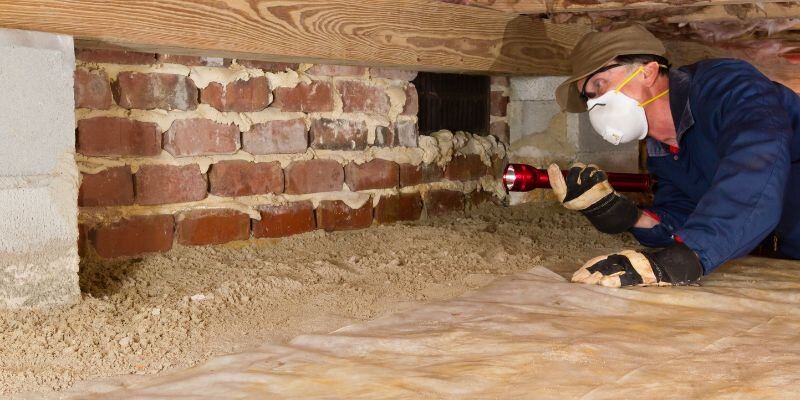
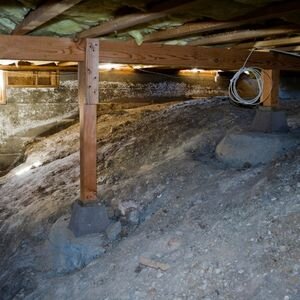
Picture the scene: you pop the crawl space hatch to grab a tool before the movers arrive, only to find standing water. Not a drip. Water. Right there under the floor joists you’ve been walking on for years. The moment of dread is something I’ve seen on sellers’ faces more times than I can count, and the first question out of their mouths is always the same: “Does this mean I can’t sell?”
You can sell. But how you handle the next few weeks will shape everything from your final price to whether the sale closes at all. If you’re trying to sell your house in New Hampshire, understanding your options before listing can help you avoid expensive surprises later.
Selling a House with Water in the Crawl Space in New Hampshire
A seller in Derry called me earlier this spring with a crawl space that hadn’t been touched in a decade. The Robinson family had inherited the place from their parents, who had lived there for thirty years: three siblings, one property, and a garage still packed with lawn equipment, old furniture, and a chest freezer nobody wanted to move. The standing water under the house wasn’t the only problem, but it was the one that made every traditional buyer walk away. We walked through the property on a Tuesday afternoon, talked through their options, and closed without any of them lifting a shovel (crawl-space issues tend to end showings quickly).
This situation isn’t rare around here. New Hampshire’s wet springs, snowmelt running off granite hillsides, and the heavy clay soils throughout Merrimack and Hillsborough counties create the right conditions for crawl space moisture to build up fast. In towns like Milford, Henniker, and Goffstown, builders constructed old homes long before vapor barriers and sump pumps became standard. Water takes the path of least resistance, and under your floor is often exactly where it ends up.
Selling with water in the crawl space is absolutely possible. What you can’t do is pretend it isn’t there.
What Does Water in the Crawl Space Mean for Your New Hampshire Home Sale?
Skip the disclosure, and you don’t just lose the sale; you expose yourself to a lawsuit that can follow you long after the closing papers are signed. Buyers who discover undisclosed water damage after closing have real legal options in New Hampshire, and I’ve watched sellers learn that the hard way.
Beyond the legal piece, crawl space moisture leaves visible evidence. A home inspector will catch it. Wet soil has a smell, wood joists show staining, and mold growth on the subfloor is visible to anyone who shines a flashlight. If you list without addressing it and the home inspection turns it up, you’re negotiating from the worst possible position: a buyer who now knows you either didn’t look or didn’t tell them.
What water in the crawl space means for your sale depends on how much there is, where it comes from, and how long it has been there. Surface runoff from poor drainage paths around the foundation is a fixable problem. A broken perimeter drain or a high water table is a different conversation. Mold remediation, replacement of compromised joists or insulation, and a new waterproofing system can run from a few thousand dollars to well over $20,000, depending on the scope.
Buyers getting conventional financing will often face lender requirements that the crawl space be dry before a loan closes. If you’re also trying to decide on the best time to sell a house in New Hampshire, addressing moisture issues before listing during the peak spring market can help you avoid financing delays and keep your sale on track. One fact alone kills more sales than any other crawl space issue I’ve seen. A cash buyer doesn’t carry that restriction, which is part of why cash offers from local investors become so appealing when moisture is in the picture.
New Hampshire Seller Disclosure Laws for Crawl Space Water Problems
Many sellers think New Hampshire is a “buyer beware” state and that once the deed transfers, they’re protected from anything the buyer finds. It doesn’t work that way.
Under RSA 477:4-d, sellers of one-to-four-family dwellings are required to disclose in writing information about the property’s condition, including issues with water supply systems and insulation, before or during the preparation of a purchase offer. Water in your crawl space falls squarely under that obligation (crawl spaces are subject to intense scrutiny). Failing to disclose known water damage or moisture intrusion puts you at risk of fraud claims, rescission of the sale, and damages.
New Hampshire law now also requires sellers to disclose whether the property is in a federally designated flood hazard zone, in addition to RSA 477:4-d, which took effect July 19, 2024. Separately, as of January 1, 2025, RSA 477:4-a requires sellers to notify buyers about arsenic, radon, and lead. The disclosure framework covers fraud claims and expands to include crawl-space water, whether it’s listed on a specific form or not, which means you can’t quietly hope an inspector misses it.
Your listing agent is bound by the same disclosure obligations you are, so make sure they understand the condition of the crawl space before it goes to market. Consult the New Hampshire Association of Realtors purchase and sale form and review the updated disclosure requirements with a real estate attorney before you list. Getting this right at the start costs almost nothing compared to the cost of getting it wrong, and I’ve seen a single overlooked disclosure turn a clean closing into months of legal back-and-forth.
How to Assess Crawl Space Water Damage Before You List in New Hampshire
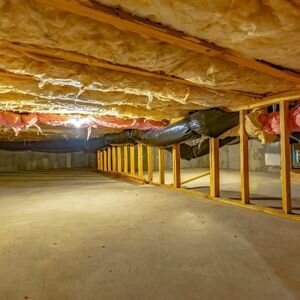
One seller I worked with thought a little standing water after the snowmelt was seasonal and harmless; by the time a home inspector went under the house, there was active mold growth on the band joists, and the subfloor insulation had collapsed onto the soil, holding moisture like a sponge.
Before you decide how to sell, you need a clear picture of what you’re dealing with. A licensed home inspector or a crawl space specialist can assess whether moisture is entering from surface runoff, a plumbing leak, groundwater below, or condensation from warm air hitting cold soil (that last one surprises sellers most). Each source points to an entirely different fix.
Have someone document what they find, because that paper trail protects you legally and gives any buyer or investor an accurate baseline. Photographs, written reports, and notes on which soils are wet and which are dry. If you’ve already had a sump pump installed or repairs done, please gather those receipts as well.
Mold growth, if present, requires remediation by a certified contractor before most buyers will proceed. The EPA’s crawl space and indoor air quality guidance is a useful starting point for understanding which mold types require professional removal and which homeowners can address themselves. Damaged insulation should be removed and replaced only after the moisture source has been corrected; otherwise, you will end up replacing it twice.
How Crawl Space Water Issues Affect Your Home’s Value in New Hampshire
Water damage in the crawl space typically shaves 10 to 25 percent off a home’s value, and that range isn’t evenly distributed. A house where moisture is caught early, disclosed, and remediated may lose value at the lower end of the range. A house with long-term moisture, mold on the joists, and a failing drainage system can lose a quarter of its value or more in buyer negotiations (and buyers will negotiate hard on the price).
According to Redfin data, the median price across all home types in New Hampshire was $533,106 in May 2026. At that price, a 15 percent reduction due to crawl-space water issues amounts to roughly $80,000 lost at the negotiating table. A number like that stings when you’re sitting across from a buyer’s agent. And when buyers make offers on homes with disclosed water problems, they almost always include contingencies that let them back out or renegotiate if the home inspection reveals more than expected.
What most articles leave out is how buyers use the inspection contingency specifically as a pricing tool. A buyer will submit an offer at a price that seems reasonable, then use the home inspector’s crawl-space findings to request repair credits or a revised price. Sellers who haven’t gotten their own assessment first enter that negotiation without knowing what to expect.
New Hampshire homes currently sit on the market for a median of 45 days before going under contract. A property with moisture issues in the crawl space tends to sit at the high end of that range or beyond, because buyers who discover the issue during their inspection often walk away, forcing you to start over. Every extra week on the market incurs carrying costs. It erodes your negotiating position, which is why I prefer to price moisture remediation into my offer upfront rather than risk a sale collapsing at inspection.
What Are Your Options When Selling a House with Crawl Space Water in New Hampshire?
Sit across from me at your kitchen table, and here’s what I’d tell you: you have three real paths, and none of them is automatically wrong.
Fix the drainage issue, install or service the sump pump, replace damaged insulation, complete mold remediation if needed, and then install a vapor barrier. You’ll spend money upfront, but a clean crawl space opens your home to financed buyers and puts you back in a normal negotiating position. Get a post-remediation inspection in writing so you can show buyers that you fixed the problem correctly.
Sell as-is on the traditional market. You’ll disclose the water issue, price accordingly, and hope a buyer who’s comfortable with the condition and has the cash or renovation loan to handle it will step up. This option works, but it takes longer. Buyers using conventional loans often can’t get their loans approved for homes with active moisture problems, so your buyer pool shrinks to cash buyers, hard-money borrowers, and investors.
Sell directly to a local cash home buyer. This is where companies like Brendan Buys Houses come in. No repairs, no home inspection contingency, no lender requirements. You disclose what you know, they assess the property as is, and you get an offer based on actual numbers, not an idealized value after remediation. You pick the closing date.
Are you in a position to spend $10,000 to $25,000 on remediation before you see a dime from the sale? That’s the honest question that determines which path makes sense. If you’re weighing your options and want to work with a local buyer who understands New Hampshire properties, Brendan Buys Houses can help.
Is Crawl Space Water Remediation Worth the Cost Before Selling?
“I’ll just fix it and get full price.” That’s what most sellers say at the beginning, and it’s not always the wrong call. But remediation costs don’t always translate into dollar-for-dollar savings in the final sale price.
A full crawl space waterproofing system with a sump pump, interior drainage, and vapor barrier installation in New Hampshire runs $8,000 or more, depending on the square footage and the severity of the drainage problem. Add mold remediation if mold is present, and factor in replacing insulation that has dropped from the joists (which is almost always wet). The total can climb past $25,000 before you repaint a single wall.
New Hampshire’s median single-family home price reached $575,000 in May 2026, according to the New Hampshire Association of Realtors. If you’re planning to sell your house in Concord, local market conditions and buyer demand can play a major role in deciding whether repairing crawl space damage or selling as-is will yield the better outcome. In a market where prices are still rising and inventory is still relatively tight, a remediated home in a desirable town like Bedford, Bow, or Exeter can recapture most of that remediation cost. In a rural area with softer demand, such as parts of Coos or Sullivan County, spending that much to remediate a crawl space in a home priced at $180,000 rarely makes financial sense.
Sellers who skip the analysis and just choose “fix everything” sometimes end up at a lower net than if they’d sold as-is to an investor who priced the repair into the offer. Get two or three remediation quotes from licensed contractors, compare those numbers to what a cash offer looks like, and run the actual math before committing.
Work with a Local New Hampshire Expert to Sell for More
In the Seacoast region, the median single-family home price hit $689,000 in August 2025, a 7.7 percent jump from the year before. That’s the Rockingham County market around Portsmouth, Rye, and Hampton, and it shows just how much location shapes a seller’s position. A water issue in a crawl space in a high-demand coastal town is much more significant than the same problem in a rural community two hours north, giving a seller in Rye more room to absorb remediation costs than one in a softer inland market.
Local knowledge matters. A real estate agent who doesn’t know the specific drainage patterns in your neighborhood or the buyer profiles in your price range will price your home without really understanding what that crawl space issue will cost you at the negotiating table. The same applies to contractors who may quote remediation without considering whether the water table in your area makes a simple sump pump enough or whether you need full exterior waterproofing.
That’s why working with someone who has bought and sold homes across New Hampshire, not just listed them, changes the conversation. Henry Hernandez came to us on a Wednesday with a split-level in Merrimack he needed out of; he and his ex-spouse were dividing assets, the house sat on a low lot that collected runoff from two neighbors’ drainage paths, and his car had been sitting in the garage for two years while everything was tied up. He didn’t want a six-month listing process. He wanted it handled. Brendan Buys Houses bought the property in its current condition, giving him a clean exit without the delays, inspections, and repair demands a traditional sale would have required.
If you’re staring at a wet crawl space and trying to figure out whether to remediate, list, or sell directly, getting a free property assessment from Brendan Buys Houses costs you nothing and gives you an actual number to compare against your other options. No obligation, no pressure.
Frequently Asked Questions
Can You Sell a House with Water in the Crawl Space?
Yes, you can. New Hampshire law doesn’t prohibit the sale of a home with crawl space moisture issues, but it does require you to disclose known water problems in writing before the buyer makes an offer. Your options range from remediating the problem before listing to selling as-is on the traditional market with full disclosure to selling directly to a cash buyer who won’t require repairs as a condition of the purchase.
What Should I Not Fix Before Selling a House?
Cosmetic improvements rarely return their full cost, so repainting every room, replacing landscaping, or upgrading appliances that already work are often poor investments. Spend your money and energy on things buyers and inspectors will flag as sale-killers: roof leaks, water intrusion, HVAC failures, and structural issues. Crawl space moisture falls into the “fix or price-adjust” category; skip the staging upgrades and address the issues that can kill financing first.
What Is the Most Common Reason a Property Fails to Sell?
Overpricing is the single most common reason, but undisclosed or unresolved condition issues are a close second. A home priced correctly will still fail to close if the home inspection turns up problems the seller didn’t account for in the price. Crawl-space water, active mold, and structural damage discovered during inspections are among the most common reasons a sale collapses after an offer is accepted.
How Much Does Water Damage Devalue a House?
Water damage, including crawl space moisture and the mold growth and structural compromise that often follow, typically reduces a home’s value by 10 to 25 percent. The exact number depends on how long the water has been present, how much structural damage occurred, and what the local buyer pool looks like. Buyers using conventional financing may walk entirely, leaving only cash buyers who factor the full repair cost into their offer price.
If you’re dealing with crawl space water in New Hampshire and want a straight answer about what your home is actually worth in its current condition, contact us. We buy houses across the state as-is. We know what remediation costs in this market, and we’ll give you an honest comparison of your options with no repair requirements and no drawn-out process. If you want to talk through your situation, we’re here.
Helpful New Hampshire Blog Articles
- Sell My House for Less Than the Appraised Value in New Hampshire
- Can You Sell a House with Asbestos in New Hampshire
- Should You Replace Carpet Before Selling a House in New Hampshire
- How to Sell Your House Rent to Own in New Hampshire
- How to Sell an Apartment in New Hampshire
- Guide To Selling Your Parents’ House In New Hampshire
- Can You Sell a House With a Mortgage in New Hampshire
- How Long Does It Take To Sell A House In New Hampshire
- Can the Seller Back Out of a Contract in New Hampshire
- Selling a House With Water in the Crawl Space in New Hampshire
- Best Time To Sell a House in New Hampshire
- How To Sell Your House And Move Out Of State
- How Much Equity Do I Need to Sell My House
- How Will Medicaid Know if I Sell My House for Cash?
- Can A Seller Refuse Repairs After Inspection