


Sellers I sit down with mostly aren’t trying to leave. They need cash out of the house, or the mortgage got heavy, or a medical bill showed up that savings won’t cover. Both the house and the neighbors are fine. It’s the moving truck they dread. So they ask whether the equity can come out while they stay put. Can I sell my house and still live in it? That’s the question, and the answer is yes, with conditions worth knowing before you sign anything.
Those conditions come down to who’s buying and what the paperwork says. A sale where you stay is really two transactions stapled together, and sellers obsess over the first one and skim the second. That’s backwards, because the sale itself lasts a single day. Every day after it is the part where you live there.
Can I Sell My House but Still Live in It?

Most sellers negotiate the lease last, though it matters more than the sale price.
Yes, you can sell and stay. The mechanics are simple when the buyer pays cash and doesn’t need the house empty. You agree on a price, you agree on rent, and a lease gets attached to the purchase contract so the two close together. Cash house buyers in Nashua and other cities in New Hampshire may offer this arrangement when they don’t need immediate possession. Skip that attachment, and you’re trusting a handshake after your name comes off the deed.
Five things belong in writing: the monthly rent, how long you can stay, what happens at renewal, who fixes the furnace, and whether the new owner can sell out from under your lease. That last one is the item sellers forget to ask about.
One sequencing tip: tell the buyer up front that you plan to stay, and roughly how long, before anybody talks price. A buyer who wants to fix it up and resell fast has a different appetite than one building a rental portfolio, and you want to know early which one is sitting across from you. Then ask plainly. Have you done a leaseback before? Will you send me the lease to read this week rather than at closing? Who do I call when something breaks, and how fast do you answer? Those answers tell you more about your next year than the offer number does.
A few years back, three siblings in Salem called me about a duplex-style rental their mother left them. None of them wanted to be a landlord, and they’d worn out chasing rent checks from two states away. We closed with the occupant staying right where she was. Same unit, same bedroom, new landlord. Nothing about her day changed except the name on the check. That’s the version of this that works: boring, documented, quiet.
What Is a Sell-and-Stay Agreement?
For years I treated a leaseback as a courtesy, two extra weeks after closing so the seller could finish packing the kitchen. That isn’t what we’re talking about here.
A real sale-leaseback is two documents signed at the same table. One transfers the deed to the buyer. The other makes you the tenant of the house you just sold, at an agreed rent, for an agreed term. Ownership moves, occupancy doesn’t.
In practice, the packet runs thicker than that. You’ll see the purchase agreement with a leaseback addendum attached, the lease itself, and a condition report describing the state of the property on closing day. Some agreements include a security deposit, and others waive it or hold back a small amount from your proceeds at escrow instead. Ask which, ask who holds it, and ask what returns it to you. Settle the small stuff before it turns into friction: whose name the utilities go into, who mows and shovels, whether the dog stays, whether you can paint. None of it trips anyone up, and all of it is annoying to sort out after the fact.
No two leasebacks look alike. I’ve written leasebacks that lasted a few weeks and leasebacks that ran three years with renewal options. Some sellers want a fixed end date because they’re waiting on a new build. Others want the right to stay as long as the rent gets paid.
The buyer’s identity shapes everything else. A local investor buying with cash can write you almost any lease that makes sense for both sides. A retail buyer using a mortgage usually can’t. Fannie Mae and Freddie Mac give that buyer 60 days from closing to move in and occupy the home as a principal residence. So a financed rent-back stops there, and some lenders cut the window to 30. A company that buys homes in Concord and surrounding New Hampshire cities may offer more flexibility because it isn’t relying on the same owner-occupancy requirements as a financed retail buyer.
Sale-leasebacks aren’t exotic: commercial real estate has run on them for decades, and the home version has grown as owners look for equity without taking on a loan.
The Real Numbers Behind Selling and Staying Put

$2,483. That was the median listed rent on a single-family home nationally in August 2026, down 0.7% from a year earlier, per HouseCanary’s market pulse.
Sell and rent your place back, and that figure is roughly your new housing line item. It replaces your mortgage payment, your taxes, your insurance, and your repair fund in one stroke.
Now, the other side of the ledger, where homes sold for a median of $398,596 in August, up 2.2% year over year, according to Redfin. Median days on market came in at 50. Add escrow on top, and a listed sale runs two to three months from sign-in-the-yard to money in your account.
Run your own numbers honestly. Principal and interest off the mortgage statement, the monthly share of taxes and insurance, plus what you actually spent on the house last year. The water heater and that tree that came down. Your true cost of owning is almost always higher than the figure you carry in your head. Compare it against real rent for a house like yours on a street like yours, and ten minutes tells you plenty.
Then ask what the cash will do. Equity that kills high-interest debt, funds care for a parent, or gives a business runway is equity doing work. Leave it sitting in checking to cover the rent it just created, and you’ve built yourself a slow leak. This trade favors a big equity cushion against modest local rent, and it punishes a thin one that rent eats in four years.
If selling makes sense for your situation, Brendan Buys Houses can make a cash offer for your house with no pressure or obligation. Get your cash offer today.
What Are the Benefits of a Sale-leaseback Agreement?
Sellers usually weigh this against a refinance, and the difference is the payment.
Cash without one, mainly. You walk away with your equity converted to money in the bank, and you don’t take on a loan, an interest rate, or a lender’s underwriting. No debt-to-income ratio, and no appraisal fighting your number down. A sale-leaseback agreement gives you that access to cash while letting you remain in the home as a renter.
The tax side is the most underused benefit here. Under the federal home sale exclusion, a single filer can keep up to $250,000 of gain out of taxable income, and a married couple filing jointly up to $500,000. The IRS lays out the ownership and use tests in Publication 523. You generally need to have owned the home and lived in it for two of the last five years. Staying on as a renter after closing doesn’t undo the years you already banked. Talk to your CPA about your own numbers, because that exclusion often separates a decent outcome from a great one.
Some perks show up quietly after the sale. You stop paying property taxes and insurance on a house you no longer own. Major repairs turn into somebody else’s problem, and your kids finish the school year in the same district. You move on your schedule instead of packing around a closing date someone else picked.
People who fit this start to look alike after a while. A couple splitting up who need to divide the equity but don’t want to uproot the kids mid-semester. A retired owner on a fixed income watching the tax bill and the insurance premium climb past what the pension covers. Someone who inherited a house with a sibling and needs to cash one side out. A contractor whose working capital is equity trapped in drywall. In every case, the house isn’t the problem; the structure of ownership is.
What Are the Risks of Selling and Renting Back?
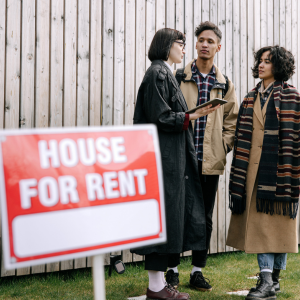
Every seller asks about price. Almost nobody asks what happens in month 14.
Your rent can climb the moment the lease term runs out. If your lease runs 12 months with no renewal terms spelled out, the owner can reset the number when it expires, and you either pay it or move. Negotiate the renewal language up front, even if you only plan to stay six months.
The house can be sold again. A new owner takes the property subject to a recorded lease in most cases, but an unrecorded month-to-month arrangement gives you very little. Ask whether your lease survives a transfer, and get the answer in the document.
You’re also a tenant now, with everything that comes with it. Late rent has consequences it didn’t have when you held the deed. New Hampshire landlord-tenant law governs the relationship, not your old mortgage servicer, and eviction is a real process with real timelines. Most sellers I work with never bump into any of this because the rent is set at something they can actually afford. Set it too high to squeeze out a better sale price, and you’ve created a problem for yourself twelve months out.
Repairs cause more arguments than rent does. Decide before closing who handles what, and be specific: the roof and the furnace are obviously the owner’s, but a clogged drain or a broken garage door opener is the kind of thing two reasonable people will each assume the other covers. Walk the house together on closing day and write down the condition of the big systems. You’ve lived there long enough to know exactly which ones are tired, and saying so in writing protects you both. It also keeps a deposit dispute from turning into a conversation about a crack that was there for six years.
Two more habits worth building. Don’t spend the proceeds like they’re permanent income. Park what you need for rent somewhere you won’t touch it. Put the rest to work on the thing that motivated the sale in the first place. And have an exit in mind even if you don’t plan to use it. Whether that’s a smaller place, a move closer to family, or eventually buying again, knowing where you’d go turns the end of the lease into a choice instead of a scramble.
One more: sale-leasebacks are legitimate, but the structure attracts bad operators. If anyone pressures you to sign quickly, won’t give you the lease to read before closing, or ties your ability to stay to a “repurchase option” with vague terms, walk. A clean deal survives a lawyer reading it.
If a sale-leaseback isn’t the right fit, contact us to learn more about a cash offer for your house, with no pressure or obligation.
Frequently Asked Questions
How is the rent calculated in a sale-leaseback?
Usually off local market rent for a comparable home, sometimes off the buyer’s carrying costs. Both are negotiable, so ask how the number was reached, ask which rentals they compared it against, and check a few listings near you yourself. Get the term in writing too, including whether the rate can rise at renewal.
Do I still pay property taxes and insurance?
No. The new owner covers taxes, homeowners insurance, and structural repairs like the roof or a failed water heater. You’ll want renters insurance for your own belongings, which runs cheap. Smaller items vary by buyer, so ask for a written list of who handles lawn care, minor plumbing, and utilities.
Can I buy the house back later?
Sometimes, but treat repurchase options carefully, and not every buyer offers one, so raise it early. The price, the deadline, the notice you owe, and what happens if you miss it all belong in the contract. Have an attorney review that language before you sign.
If you’re weighing this against a traditional listing, it costs nothing to see the numbers side by side. Reach out to us at (603) 380-4455 and tell us what you’re working with and how long you’d want to stay. Brendan Buys Houses will walk through what a sale-leaseback would actually look like for your situation. No obligation, no pressure, and a straight answer either way.
Helpful New Hampshire Blog Articles