


Selling a house in Maine requires a good amount of information on what your responsibilities are in the event that repairs are needed after closing. This guide from Brendan Buys Houses breaks down what (if any) obligations sellers have after a house has been sold to a new owner. We will cover the law, typical scenarios, and specific instances concerning repairs after closing. Whether you have sold a property multiple times or are doing it for the first time, understanding these details will provide you with a better experience and avoid any unforeseen challenges.
Are Sellers Liable for Repairs After Closing in Maine?
In order to complete real estate transactions in Maine, in addition to knowing what certain obligations sellers have after closing, it is critical to understand the sellers’ responsibilities after the closing. After closing, sellers are often concerned about the legal exposure they may have regarding repairs. Maine real estate describes potential repairs sellers are responsible for, specific seller obligations that relate to closing, and other seller responsibilities that may arise in relation to closing. Understanding seller obligations and seller liability after closing can help in managing expectations regarding seller responsibilities after closing.
Maine Real Estate Laws on Post-Closing Repairs Explained
In Maine, there are clear seller disclosure duties to follow when it comes to real estate transactions. Most repairs are transferred to the buyer during closing, unless the buyer states otherwise in the contract. Sellers only have to fulfill the contract. Sellers can be held liable for not disclosing defects, and to be safe, anything that is defectively valuable should be disclosed. All real estate repairs must be completed. Maine law allows sellers to be held liable for anything that is left undone, including repairs.
Maine sellers should pay attention to the “as is” clause. This clause provides sellers protection after closing for anything that might be in need of repair, as long as the condition is agreed upon by both parties. Maine sellers need to learn the laws governing real estate transactions. Sellers must not attempt to learn these laws without involving an attorney. Following these Maine laws, sellers will have far fewer quarrelsome and complaining customers after the closing.
| Seller Obligations | Disclosure Impact | Contractual Clauses |
|---|---|---|
| Sellers must repair defects that arise after closing if not disclosed. | Full disclosure can limit post-closing repair obligations. | “As is” clause may limit or eliminate seller repair responsibilities. |
| Repairs must meet state and local standards if agreed upon. | Failure to disclose known issues can lead to legal liability. | Contracts should clearly outline repair obligations to avoid disputes. |
| Sellers are not obligated for issues that develop post-closing. | The closing process ensures all necessary repairs are documented. | Including specific terms can manage expectations around repairs. |
This table outlines the complexities of seller repair obligations within Maine real estate transactions, emphasizing the importance of understanding contractual commitments and legal responsibilities.
Who Is Responsible for Repairs After a Home Sale in Maine?
In Maine, the intricate nature of repair responsibilities after a home sale involves a net of pertinent legal duties and contractual terms. Generally, the buyer assumes responsibility for repairs after the closing, unless there is an agreement to the contrary before closing. To minimize the risk of disputes, both sellers and buyers should understand these intricacies. Sellers’ last disclosure obligations to close without assuming any future liability claims. This scenario emphasizes the need for careful documentation of any agreements regarding repairs after the sale.
Can a Buyer Request Repairs After Closing in Maine?

Typically in Maine, a buyer and seller agree that the buyer will complete any repairs needed on a home after the sale has been final, unless they agree to modify this. There are also situations where a buyer will request repairs after the sale has taken place, and many of those requests are justified. Sellers in Maine may be subject to post-sale repair requests that are the result of the seller’s fraudulently misrepresenting the condition of the property, unrevealed and undisclosed defects of the property, and Maine’s concealed defect laws. Sellers of the property may only be held responsible when repair requests arise as a result of completed disclosures. Therefore, a seller’s repair obligations are confined to the repair requests stipulated in the pre- or post-closing documents.
Knowing post-closing repair requests in Maine helps avoid disputes. For buyers, the most uncomfortable situation is the unexpected expenses on repairs. A legal opinion may be needed. The legal opinion is aimed at the buyer assessing the prospect of the claims, and depending on the situation, it will conclude with negotiation, mediation, or litigation. Will the seller have any repair obligations after closing? If there is insufficient closure documentation describing the repair obligations, the buyer may demand repairs. For repair requests, buyers and sellers, documented transparency, and post-closing requests will enable them to minimize potential disputes.
- Legal Challenges: Post-closing challenges may include legal action. Legal action may start with a real estate attorney. Attorneys will explain the steps and process to litigate or take legal action regarding issues that were not communicated, reported, or disclosed.
- Sales Contract: Before taking legal action, analyze your sales contract. See if there are any repair or disclosure agreements. Post-closing repairs may be subject to other agreements made prior to closing. The seller may even have a contractual obligation to repair the problem.
- Legal Counsel is Needed: If the repairs that are unreported, undisclosed, and uncommunicated are going to cost money, the seller may be responsible. A lawyer will be able to analyze your position and explain the issues that will require legal counsel. Without a doubt, legal counsel will explain the costs to the seller and whether the costs should be recoverable from the seller. For legal purposes, repair costs have to be taken into consideration.
- Know the Laws: Before going to court and trying to resolve uncommunicated, unreported, and undisclosed issues, you should know the laws regarding real estate transactions in Maine. Prior to purchasing, outline the seller’s responsibilities and inform your lawyer before the litigation or dispute.
- Visibility is Key: Document and take pictures of reported or unreported issues. For legal counsel, documents and pictures are necessary. Legal action will require proof, so for your case, unreported and uncommunicated issues will need to be documented and visible.
- Attempt to Negotiate Seller’s Repair Costs: Sellers may be open to absorbing some repair costs. Begin the discussion and present your evidence, especially for larger issues that are visible prior to the purchase.
- Determine Repair Costs vs Your Budget: Look at the required repairs and how they would impact your budget. Consider if you would be able to cover the repair costs yourself, or if you would need to obtain some financial support, like a personal loan.
Seller Disclosure Laws in Maine: What You Need to Know
While Maine wishes to have clarity in real estate dealings, there are potential pitfalls. Real estate buyers in Maine are required to submit seller disclosure documentation as part of a home closing in order to ensure buyers reveal all known defects of a home. Sellers are legally protected from future litigation concerning disclosure problems by the completion of these documents. Furthermore, disclosure forms are useful to sellers in establishing rapport with future buyers. A frictionless transaction is advantageous to all parties involved, especially when working with cash home buyers in Maine or surrounding cities, who often value transparency and efficiency in the selling process.
What Happens If Problems Are Found After Closing?

When closing occurs in Maine, sellers are typically most concerned about their responsibilities in relation to post-closing repairs. In particular, obligations relating to seller disclosures for seller building disclosures in the areas of plumbing, electrical, or septic systems. Maine law requires sellers to fill out a seller disclosure to inform potential buyers of building defects that could impact the building’s value. If disclosures are filled out properly, then sellers have no obligations to fix anything after closing. The law’s intent is to inform all the needed repairs to avoid the seller shifting the burden of repairs to the buyer.
Problems after closing will happen. If repairs or defects are discovered through post-closing inspections, the seller is liable. If buyers discover defects after closing, they have the legal right to the repairs, the cost of repairs, or both, at the seller’s expense. Sellers are legally obligated to identify defects during post closing inspections. To minimize legally actionable post closing repairs, sellers should be as detailed as possible during disclosures, especially with regard to plumbing and septic systems. Maine law is very seller-oriented to close post-closing issues. Sellers should be as detailed as possible with their disclosures to avoid a legally actionable defect and repair. Disclosures should not transfer the responsibility to make repairs to the buyer. Claiming repairs were not needed will likely result in litigation.
When Can a Seller Be Held Responsible After the Sale?
In Maine, the property transfer process comes with a series of questions regarding the seller’s responsibilities after the sale is completed. When it comes to selling a House with Unpermitted Work, these concerns can become even more complex. Once the seller’s duties are clarified, the seller’s responsibilities regarding future repair obligations, especially after the sale, come into play. Usually, seller obligations are tied to duties before the sale, with some rare exceptions. The purpose of this article is to analyze “as-is” sales, the applicable seller obligations, and the responsibilities that may continue after the property keys are exchanged.
Understanding “As-Is” Home Sales in Maine
An as-is sale is where the home is sold without the option of making repairs to the home. This sale still forces the seller to disclose known defects of the home. This protects the seller from the business idea of selling the home and getting sued later after the home has been sold. Maine law defers to honesty. Maine law will protect the seller from liability for being sued again after selling the home for defects that were not disclosed. Maine law protects sellers from being liable for defects not disclosed. Maine sellers need to thoughtfully and carefully disclose the home to protect themselves. Sellers need to document and disclose the home to the best of their ability.
Sellers need to communicate and document carefully. Sellers need to know that selling the home as-is does have constraints. Home sellers need to understand the home-selling process to reduce the risk of being liable for past claims after selling the home and the risk of being sued for future claims. Home sellers need to understand the need to protect their homes.
Legal Options for Buyers After Closing in Maine
For home buyers, understanding the options available to them post-closing is critical. Many issues may arise after closing. Indeed, buyers may feel as though they have lost their leverage, but they have numerous post-closing legal options. Maine law supports home buyers in addressing numerous post-closing seller disclosures. This typically involves litigation to hold sellers responsible for issues that existed prior to closing, but that sellers had concealed. If sellers fail to fulfill their contractual obligations, buyers have the right to pursue claims for breach of contract. Buyers in Maine have claims for breach of contract due to repairs typically covered in real estate purchase agreements.
Provided the sellers knew of material defects affecting a given property before closing, significant legal recourse is available to the buyers. Post-closing, if buyers face unexpected repair costs about which they had no knowledge, they are entitled to an informal legal remedy for these unanticipated expenses. If there are closed issues, buyers will have the remedy of being able to take a breach of contract, fraudulent misrepresentation, and/or misrepresentation claim. Besides these legal remedies, buyers may also opt for arbitration, mediation, and negotiation, which are generally less expensive than litigation. Mediation is also the buyer’s path to the most cost-effective outcome with the least expense to repair.
How to Avoid Post-Closing Repair Disputes
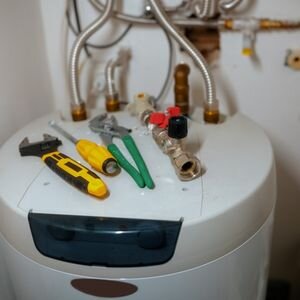
Sellers in Maine have the opportunity to address repair disputes that arise after closing through detailed planning and communication during the home-selling process. Repair instructions are documented and communicated to the buyers during negotiations prior to closing. Repair disputes can be avoided through documented repair responsibilities in the closing paperwork. Repair requests that come from home inspections should be addressed and negotiated. Maine law requires sellers to be transparent about the defects. Failure to disclose the repairs shifts liability to the sellers post closing. Maine law requires sellers to disclose information and defects to limit their liability after the sale.
By implementing a pre-listing home inspection, sellers can lessen disputes. Repair requests can be mitigated by listing the home after defects have been corrected. Reaching a compromise on repair requests should be the seller’s goal. Closing communication is equally as important as documented repairs. Transition of property ownership is made simple when the responsible parties are clear. When disputes arise, fulfilling the contract is easier through communication. Minimized post-closing disputes can be attributed to seller documentation and communication concerning repairs and defects. Trust and satisfaction in the closing process come from these.
Home sellers may be worried about what they may have to do after closing. Typically, in the absence of true/ false stipulations in the contract, the sellers have no post-closing repair obligations. This may include concerns regarding glaring omissions/ misunderstandings regarding defects or fraud. To curb post-closing issues, sellers must notify all parties involved of the concerns before closing. For the greatest protection against claims, consult an attorney who knows Maine real estate law. Working with a company that buys homes in Auburn or nearby cities can also help simplify the process and reduce potential complications. This guide should ideally offer you a great selling experience, marking the start of another chapter in your life.
FAQs
Are sellers responsible for repairs after closing in Maine?
Typically, sellers in Maine are not liable for post-closing repairs, unless defined in the contract or there are substantial undisclosed defects. Sellers should be careful to disclose all known issues prior to closing.
What should sellers in Maine include in their disclosure forms?
To limit liability after closing, Maine sellers must disclose any known defects, including plumbing, electrical, or septic issues.
Can a buyer request repairs from the seller after the sale is finalized?
Buyers may request repairs for defects that become evident post-sale, which were possibly concealed. The seller may be responsible for these corrective actions if they were not adequately disclosed prior to closing.
What does the “as-is” clause mean for repair responsibilities in Maine?
The “as-is” clause states that the property is sold without any promise of repairs from the seller. To limit future liability, sellers must disclose known defects.
How can sellers in Maine prevent disputes over repairs after closing?
Sellers may prevent disputes by fully disclosing all deficiencies in a property, documenting contractual terms clearly, and perhaps conducting pre-listing inspections to deal with issues in advance.
Do you need to sell your home but are worried about being responsible for repairs after closing? Sell quickly, avoid costly fixes, and enjoy a hassle-free sale with Brendan Buys Houses. We offer fair cash offers, handle all the details, and help eliminate concerns about post-closing repair responsibilities. Ready to sell or have questions? Contact us at (603) 380-4455 for a no-obligation offer. Get started today!
Helpful Maine Blog Articles
- Selling Home with Reverse Mortgage in Maine
- How to Sell a House With Mold in Maine
- Selling a House with Delinquent Property Taxes in Maine
- Can You Sell Your House With a Quitclaim Deed in Maine?
- Is the Seller Responsible for Any Repairs After Closing in Maine?
- Selling a House with Unpermitted Work in Maine
- Can I Sell My House If I’m Behind on Payments in Maine
- Selling a House With Foundation Problems in Maine
- Can You Sell a House With Termites in Maine